
A compact, energy-efficient multi-unit development disguised as a single-family residence.
Designed and built by Samuel Rad, these boutique multi-unit rental buildings were carefully inserted into established single-family neighborhoods, where design sensitivity and community acceptance were critical. Each site replaced one existing home with 5 to 8 thoughtfully designed units, achieving gentle density while respecting scale, height, and character of the surrounding streetscape.
The architecture was intentionally restrained—keeping massing low, proportions familiar, and materials aligned with neighboring homes—so the buildings feel like a natural extension of the existing community rather than an intrusion.
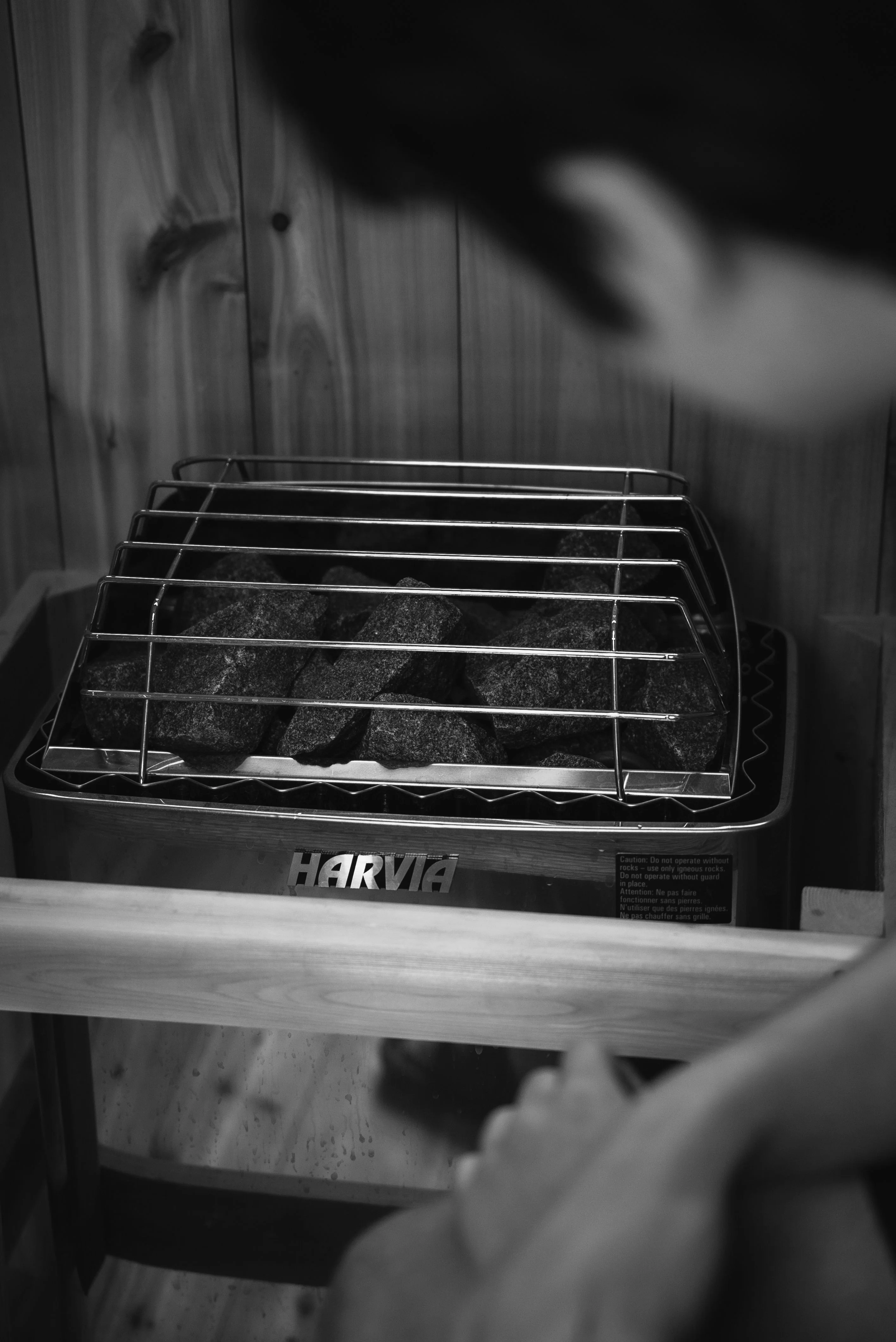
Each unit was meticulously planned for tenant comfort, landlord efficiency, and long-term durability, featuring smart heating and lighting, keyless entry systems, efficient layouts, low-maintenance materials, and Nordic-inspired amenities that create warm, cozy living environments year-round. Advanced technology and AI-assisted property management systems further reduced operational overhead while improving tenant experience.
Samuel Rad’s design-build approach on these projects was featured by multiple national media outlets as a leading example of responsible, community-focused urban infill—demonstrating how density can be added thoughtfully, beautifully, and sustainably.
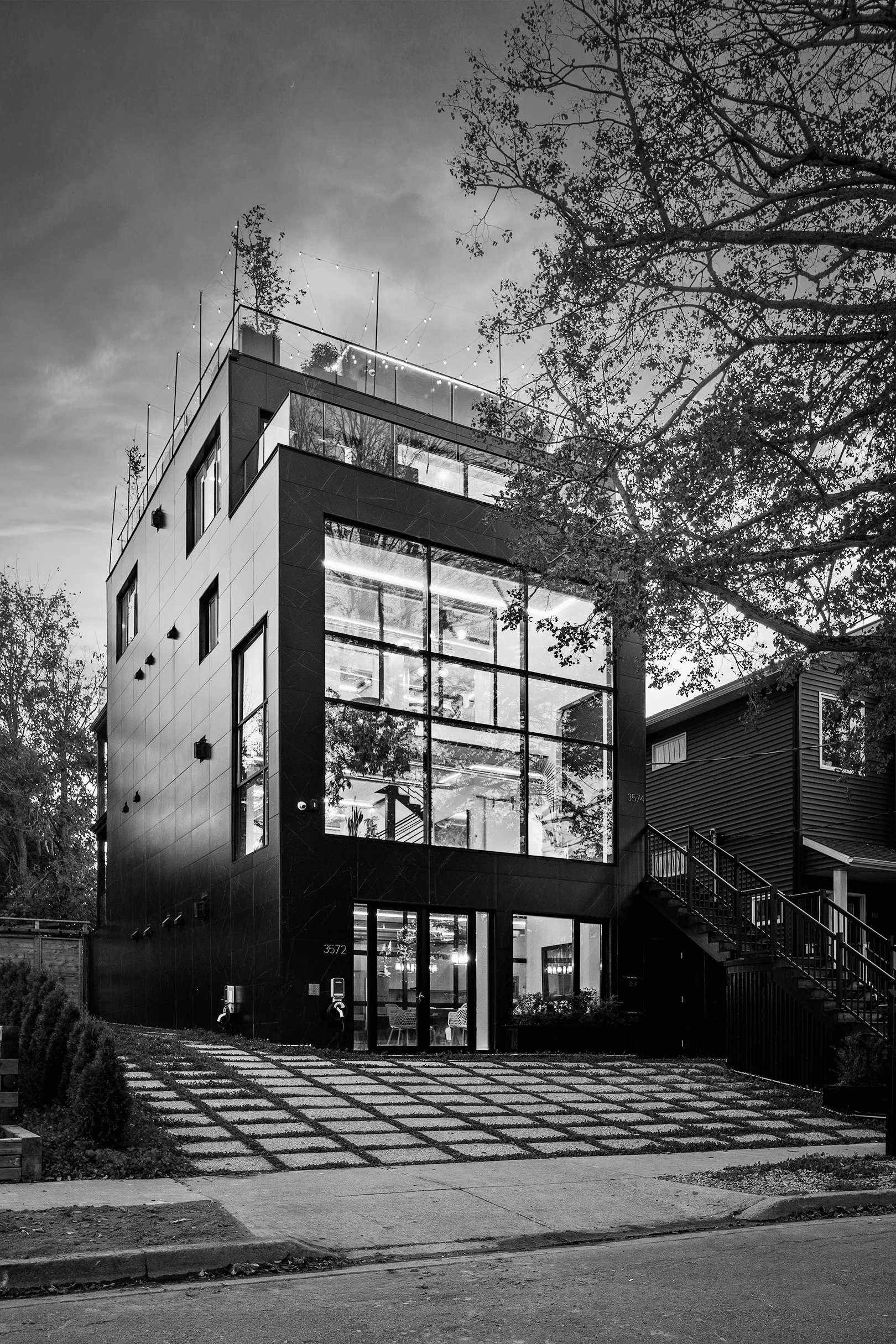
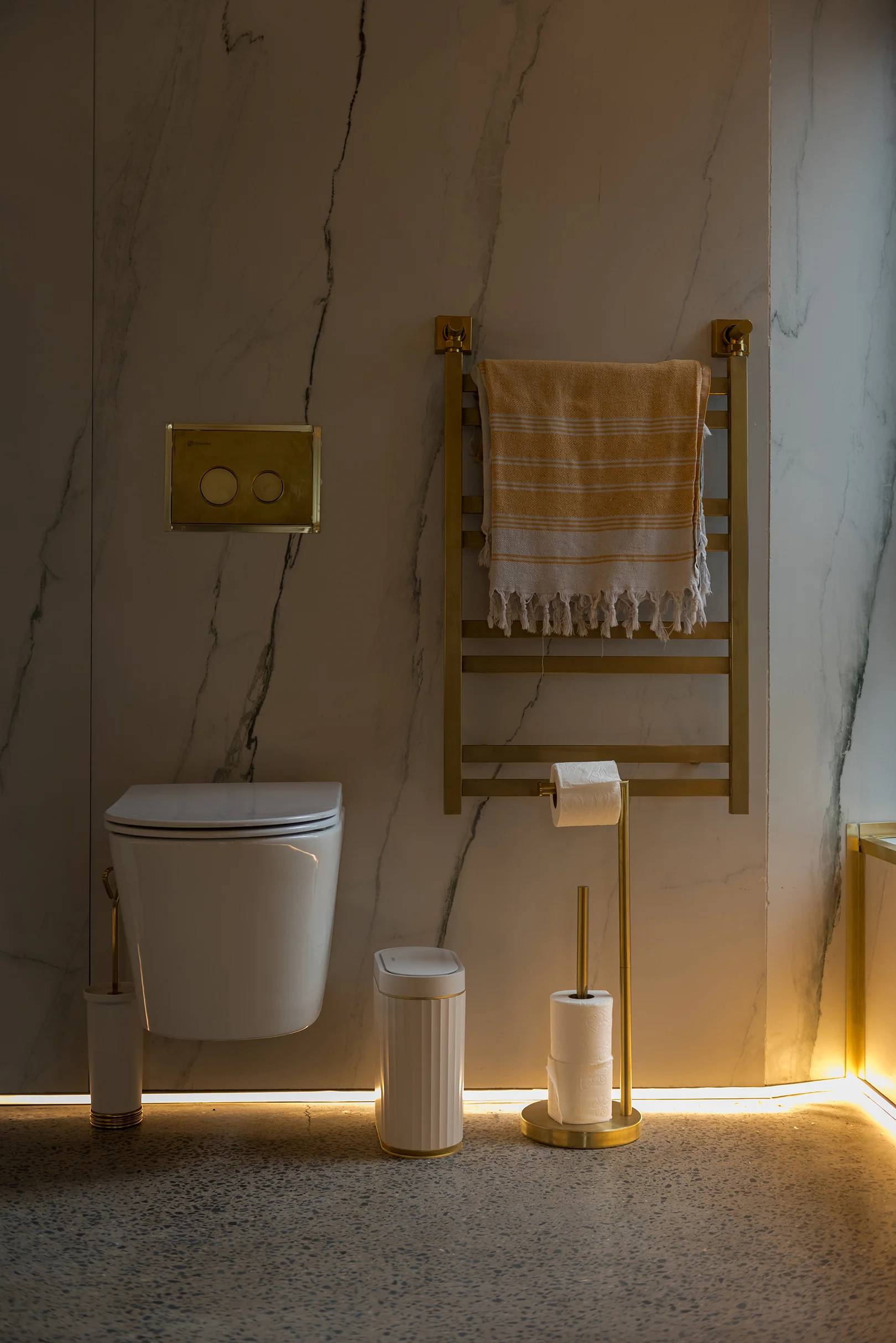
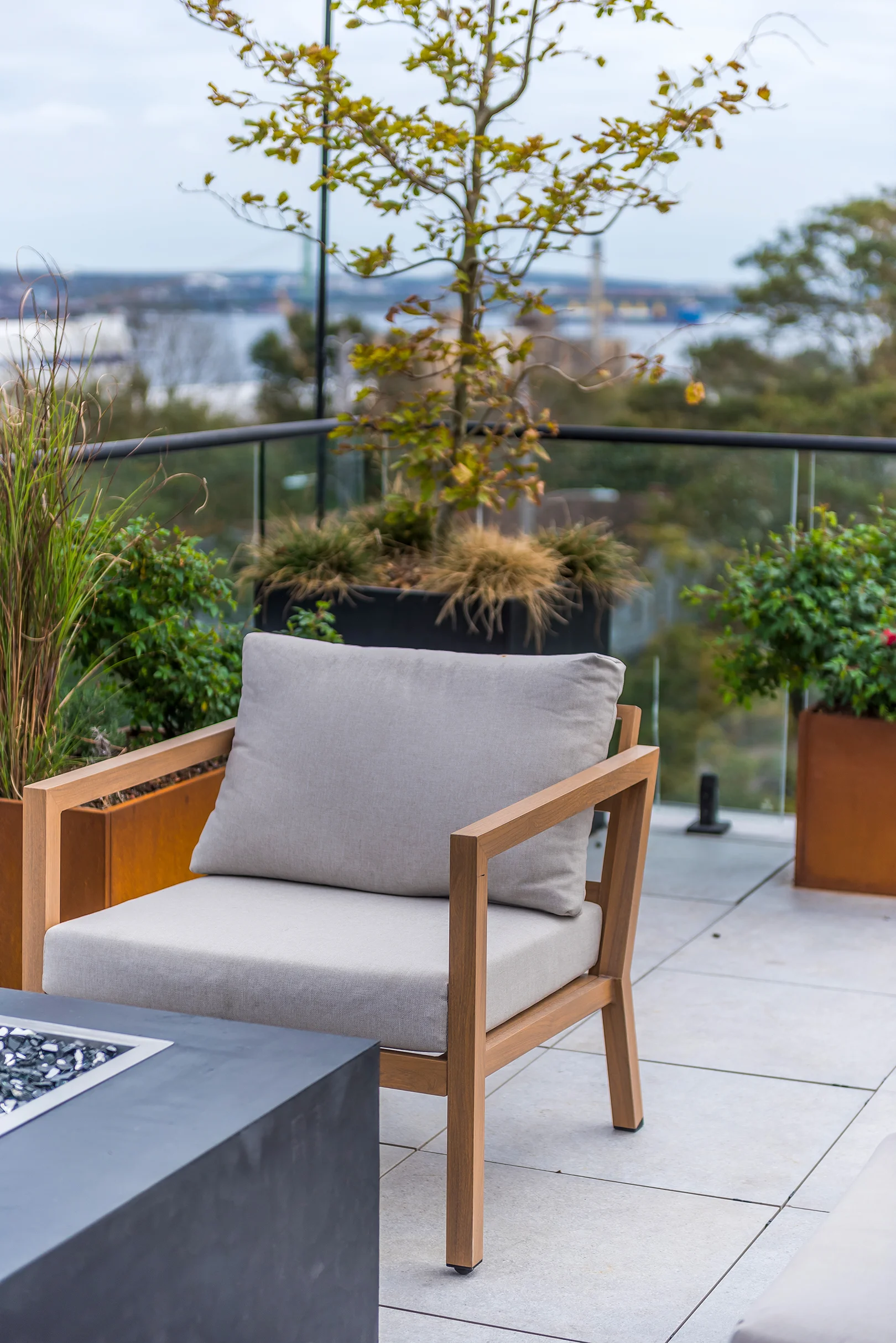
A complete vertical re-imagining of a one-storey bungalow into a four-level mass-timber home.
Designed and built by Samuel Rad, this four-story, two-unit mass timber building showcases advanced NLT (nail-laminated timber) floor construction with a porcelain exterior and full rainscreen assembly for unmatched fire, water, thermal, and acoustic performance.
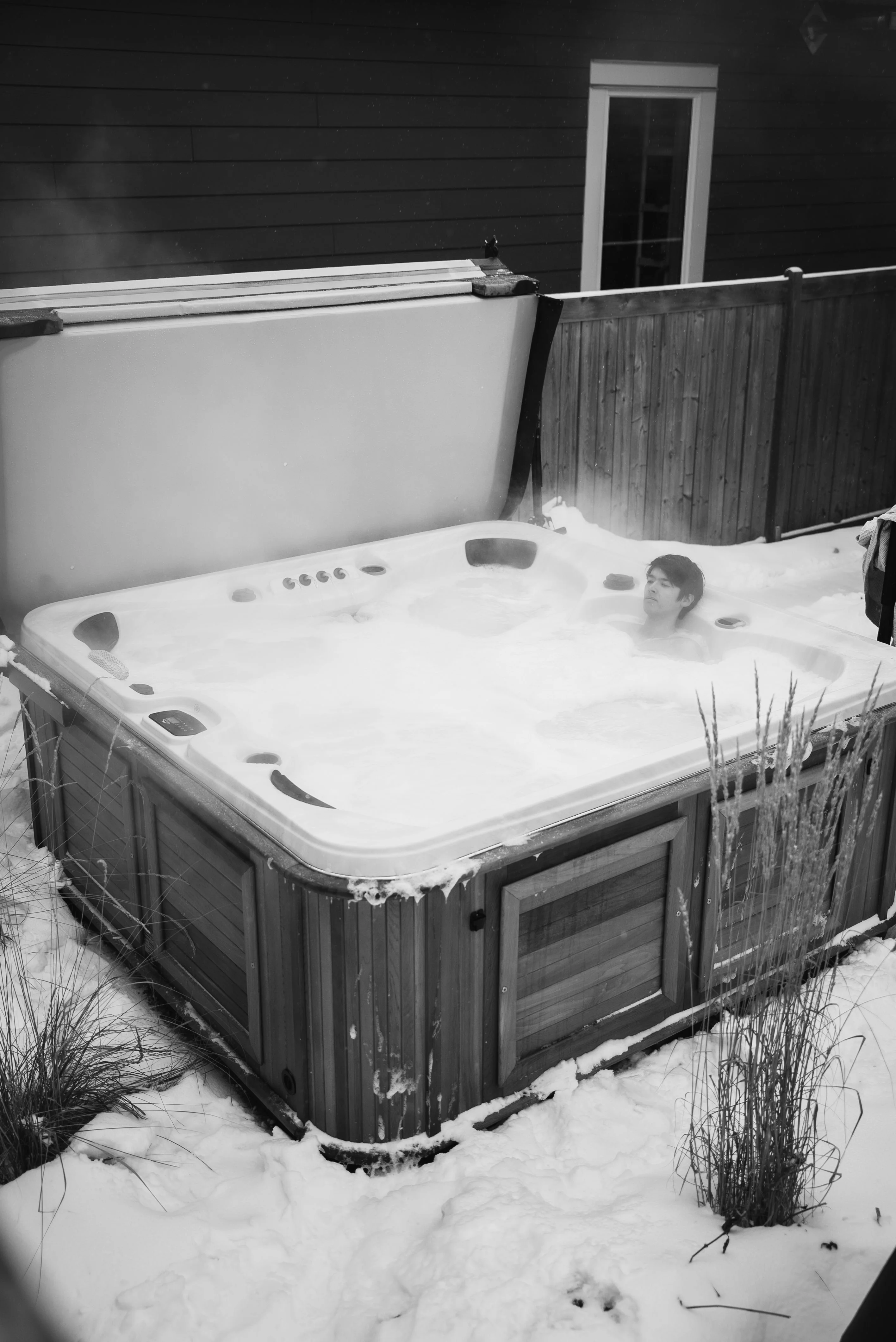
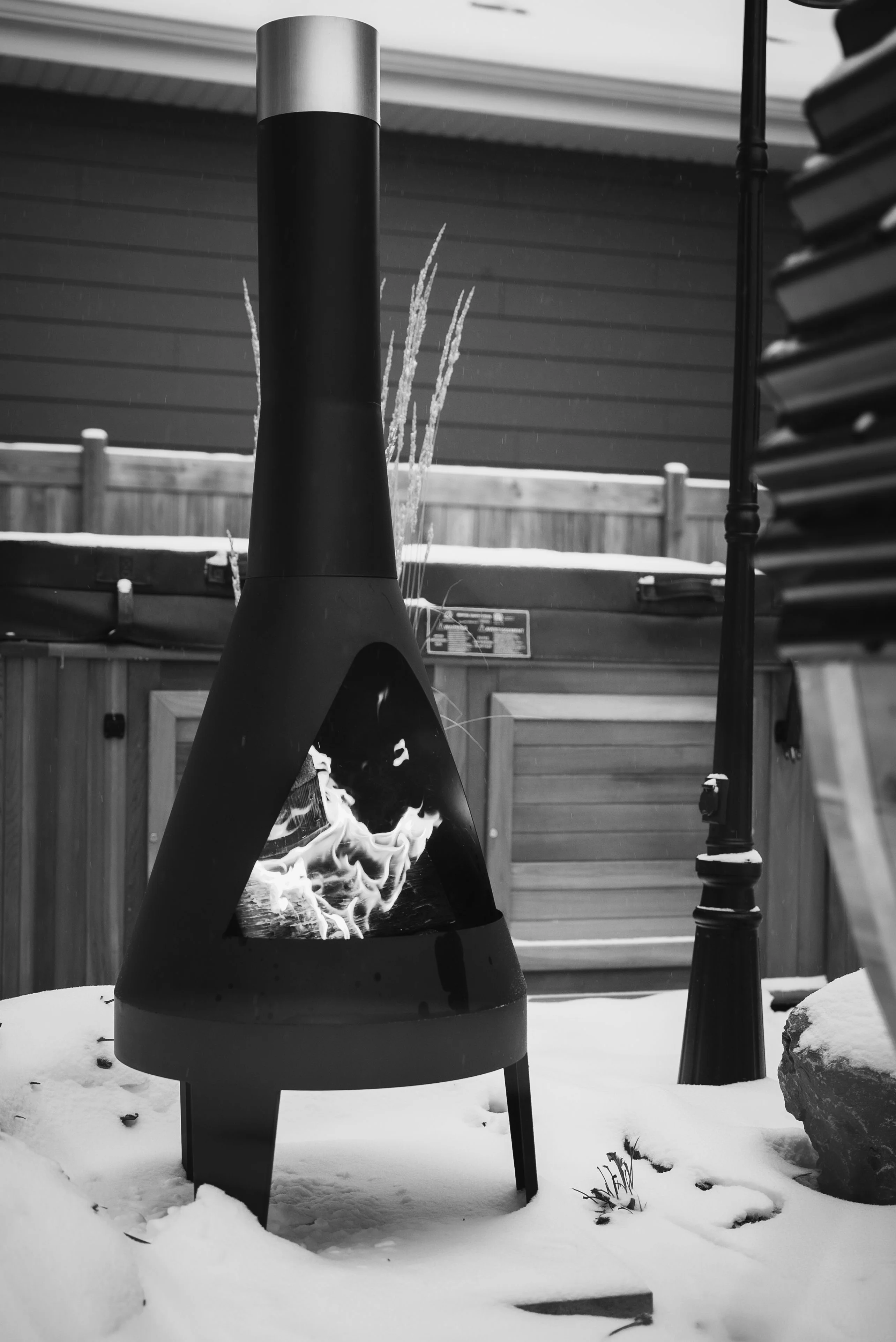
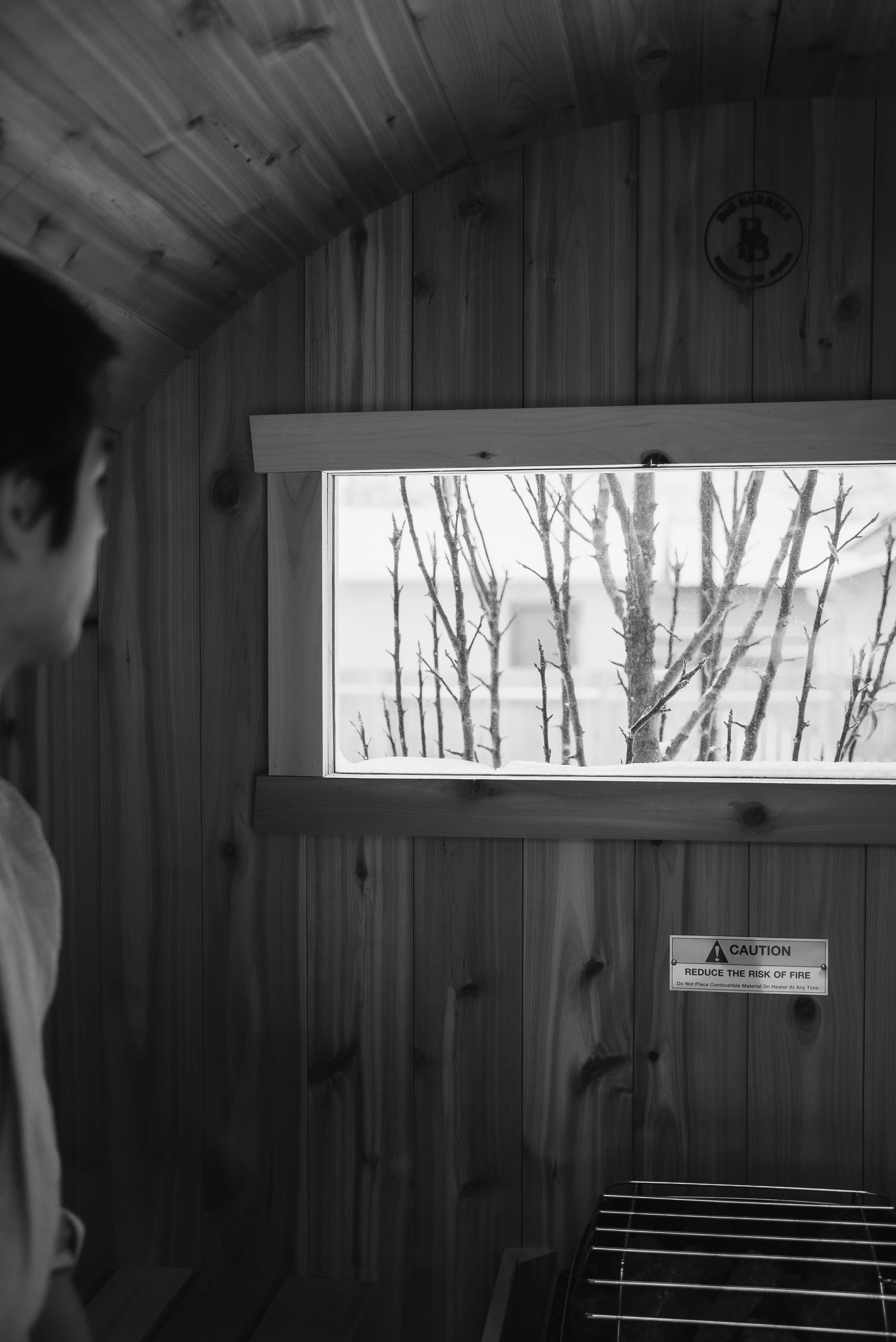
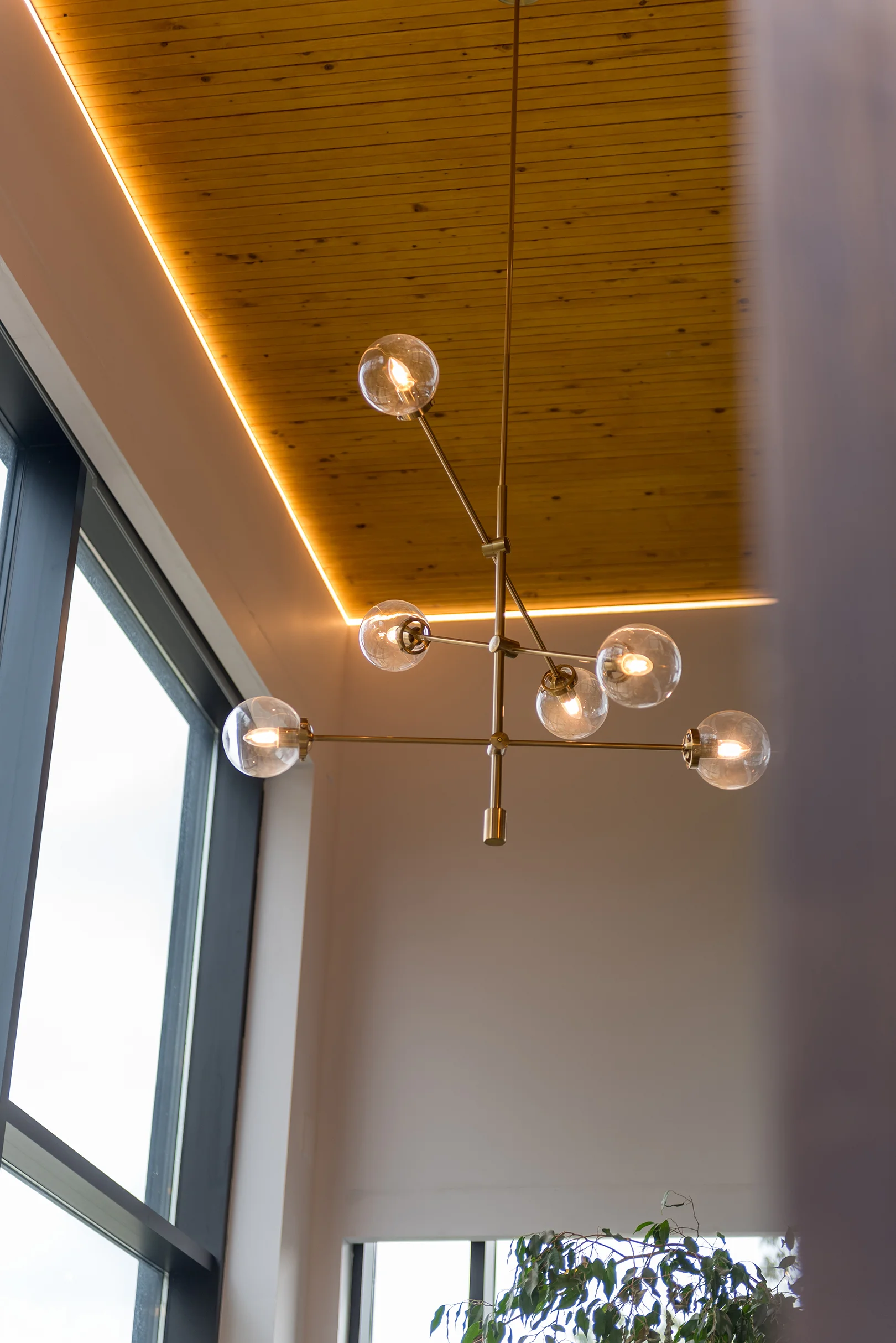
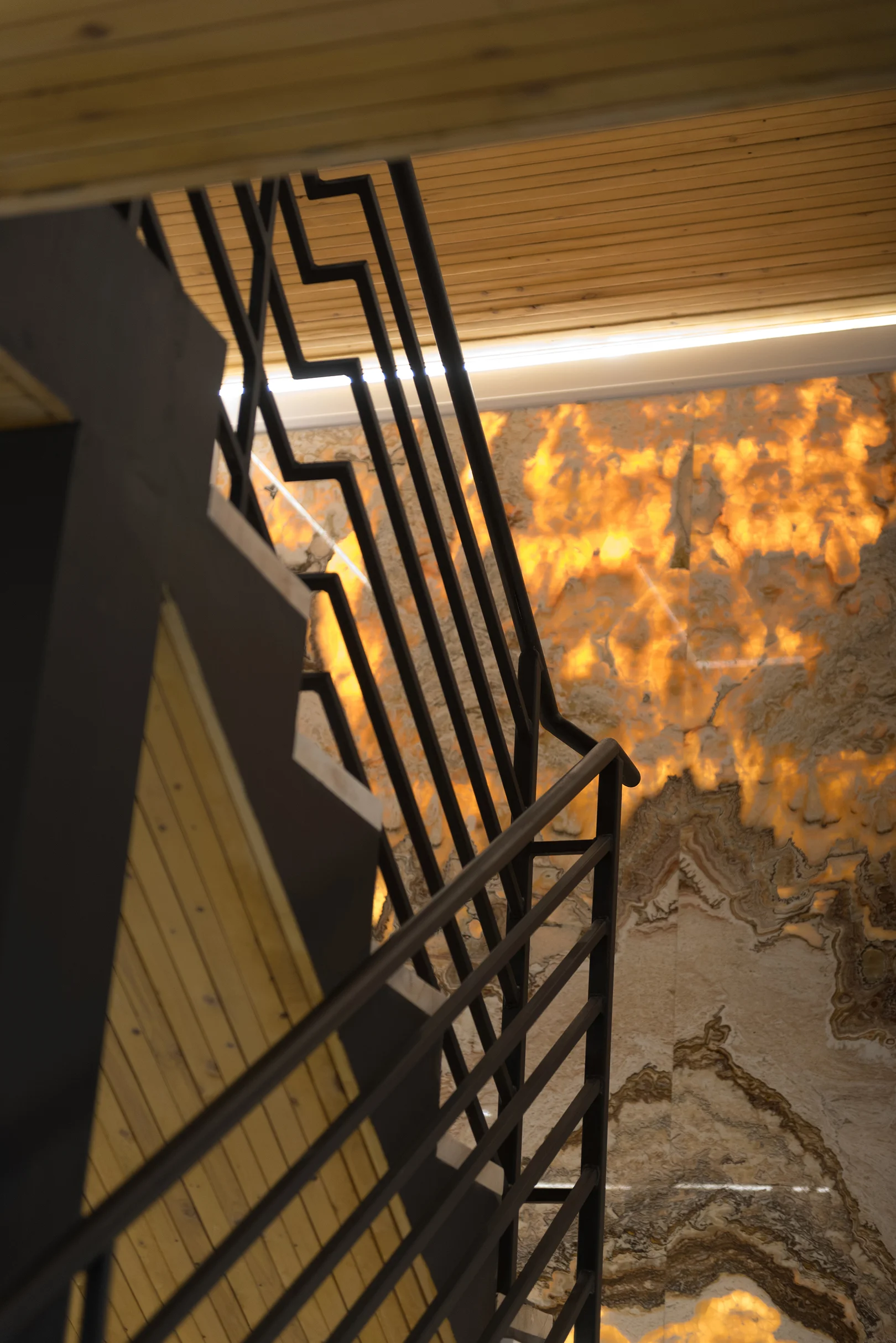
The home features radiant indoor heating, 2,200 sq. ft. of outdoor living, multiple balconies, two saunas, a steam room, jacuzzi, exterior hot tub, EV chargers, smart heating/lighting/security, and Nordic-spa-inspired backyard amenities. Premium materials include backlit onyx, handmade ironwork, permeable concrete driveways, and high-performance insulation throughout.
With soaring ceilings and an open concept layout, the main residence includes 4 bedrooms, 3.5 baths, and a spacious great room. A fully independent ADU offers 2 bedrooms, 2 baths, and a large open-concept kitchen and living space—making this a landmark example of mass-timber architecture and luxury performance design.
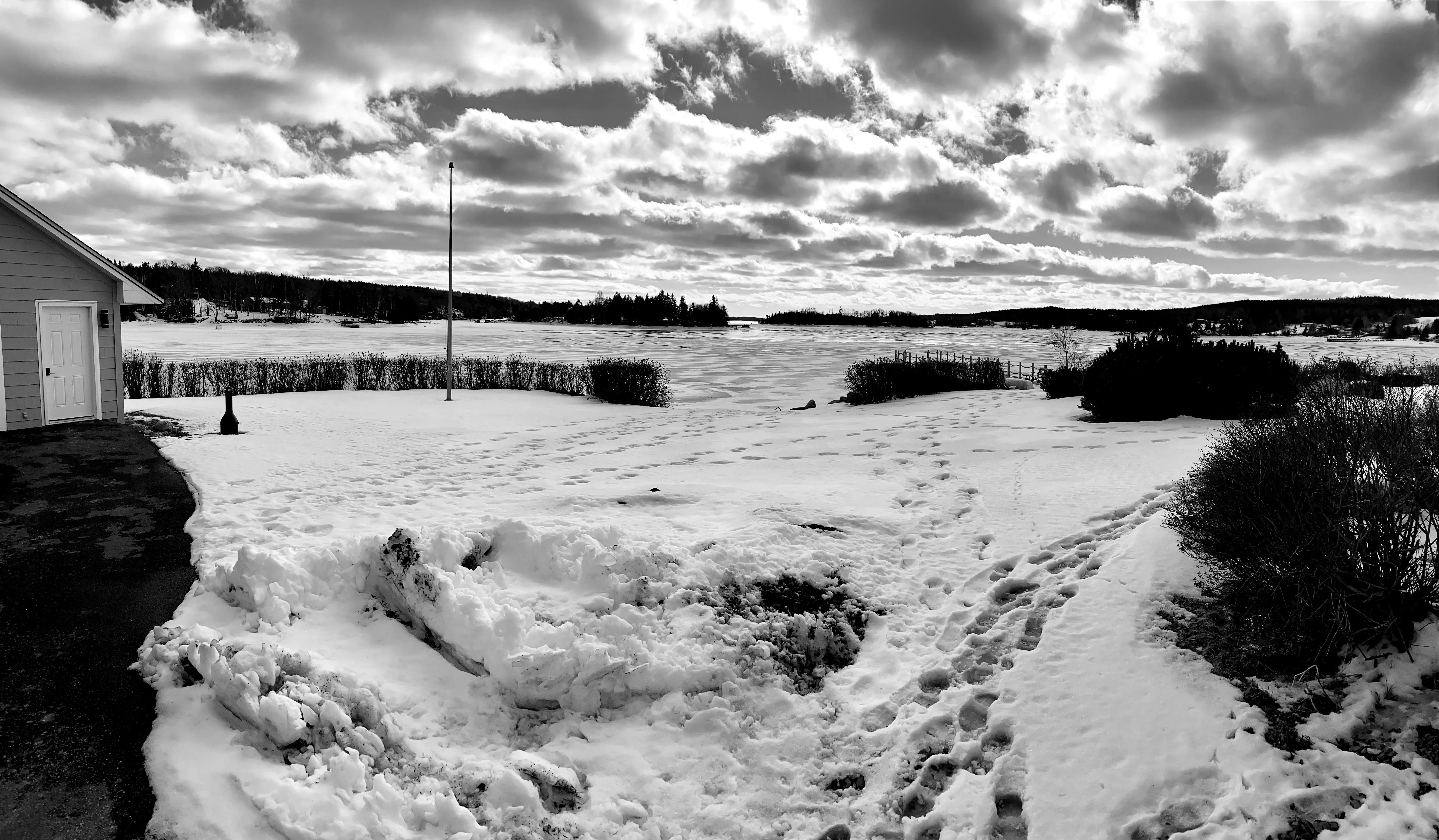
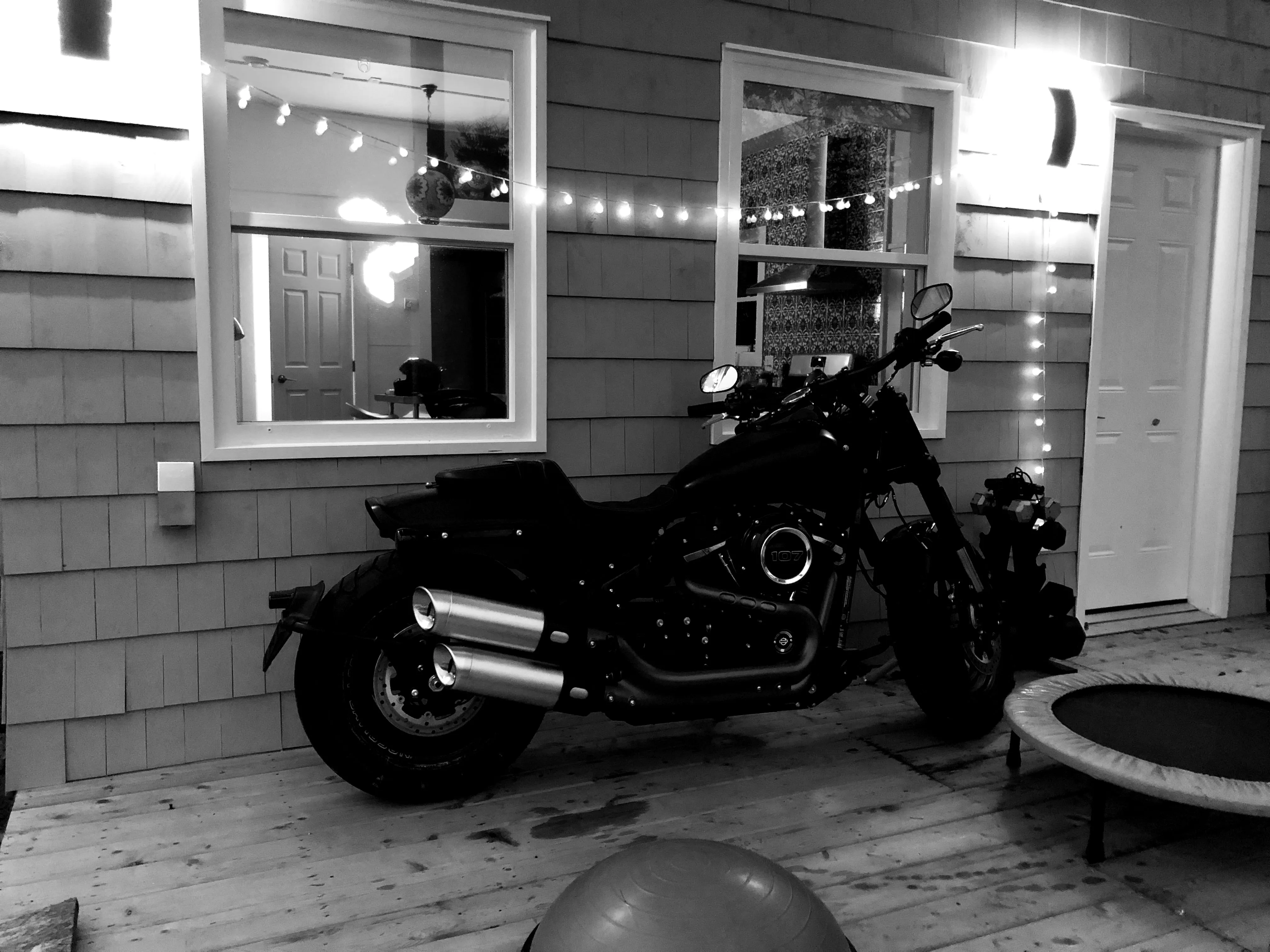
A compact, efficient micro-dwelling designed for full-time living or rental.
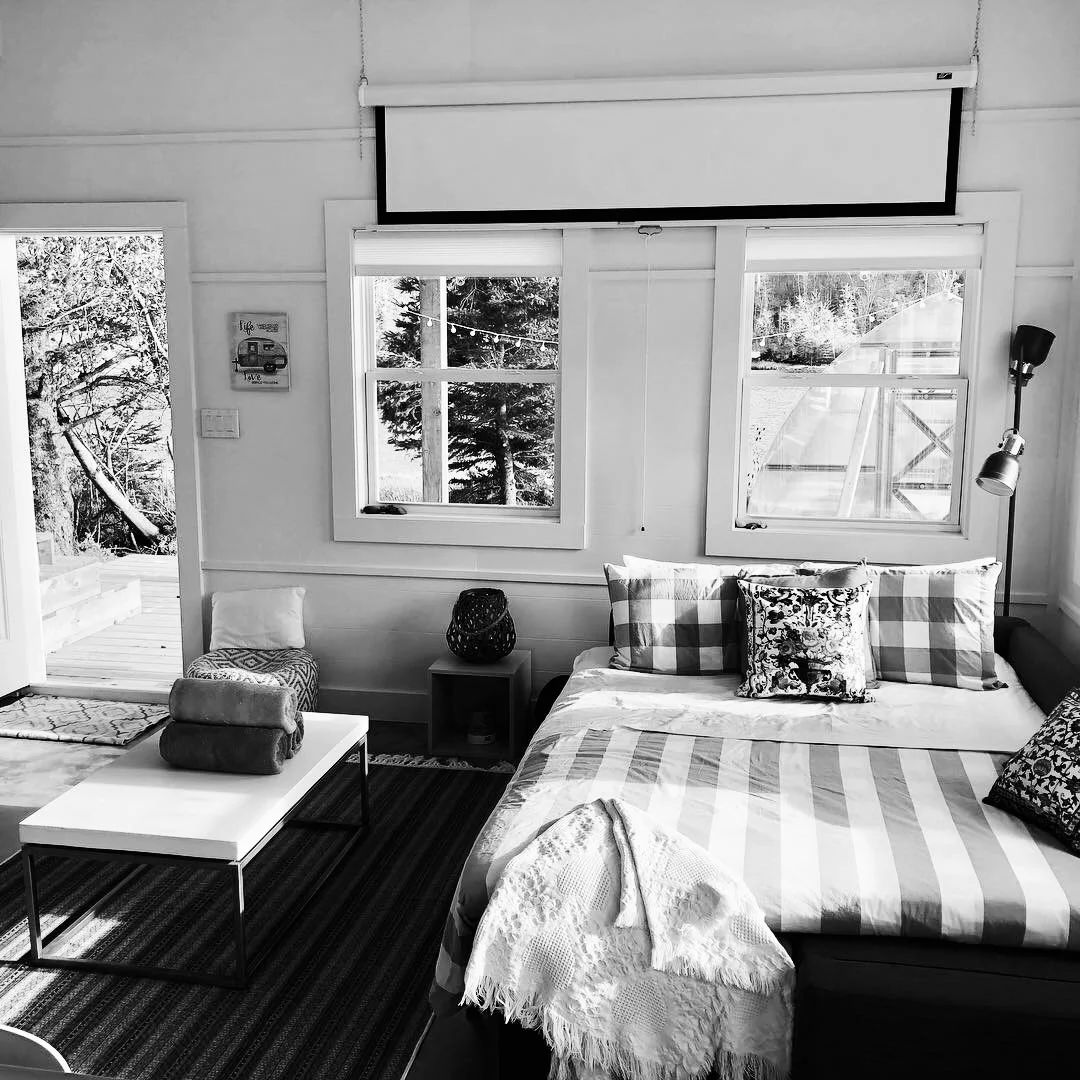
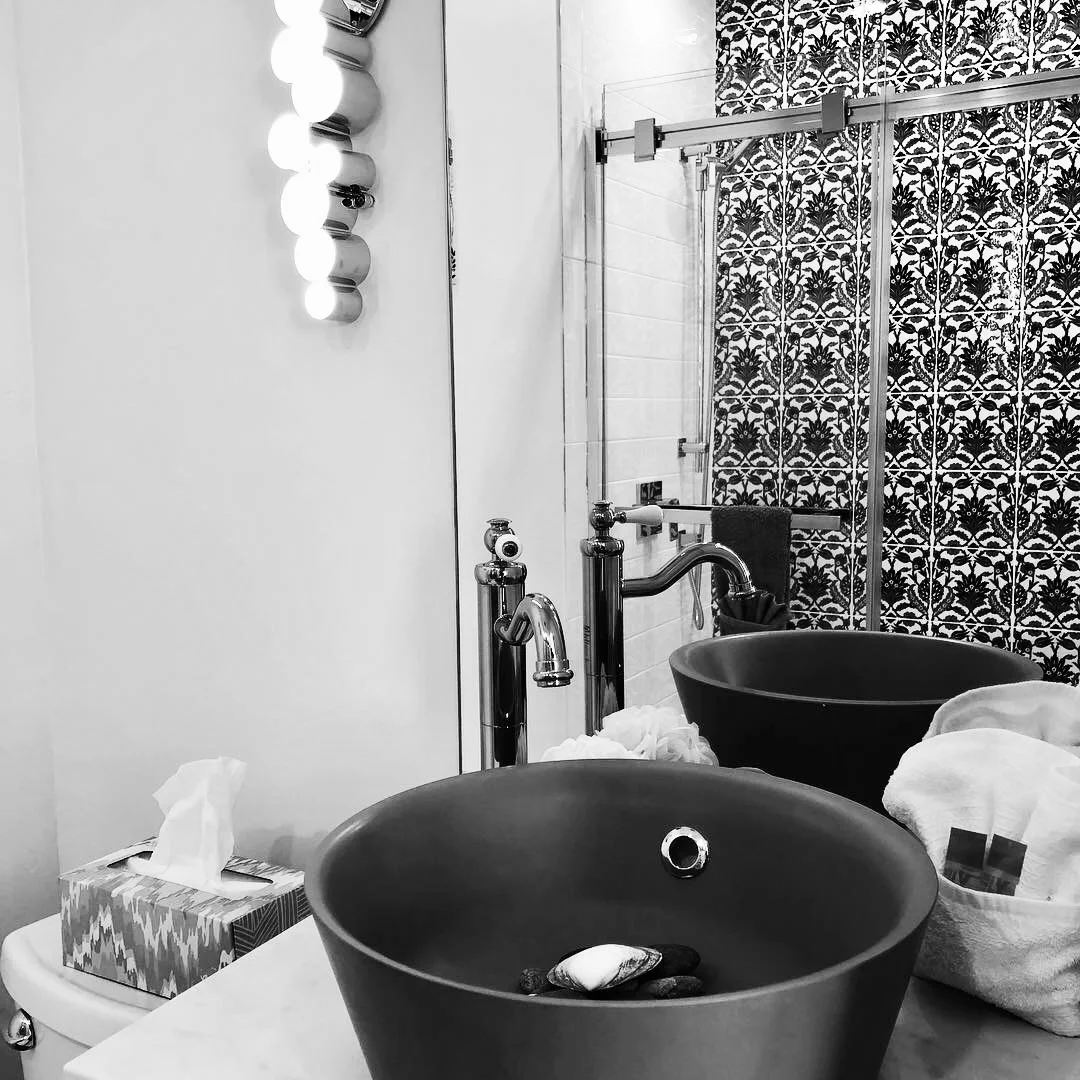
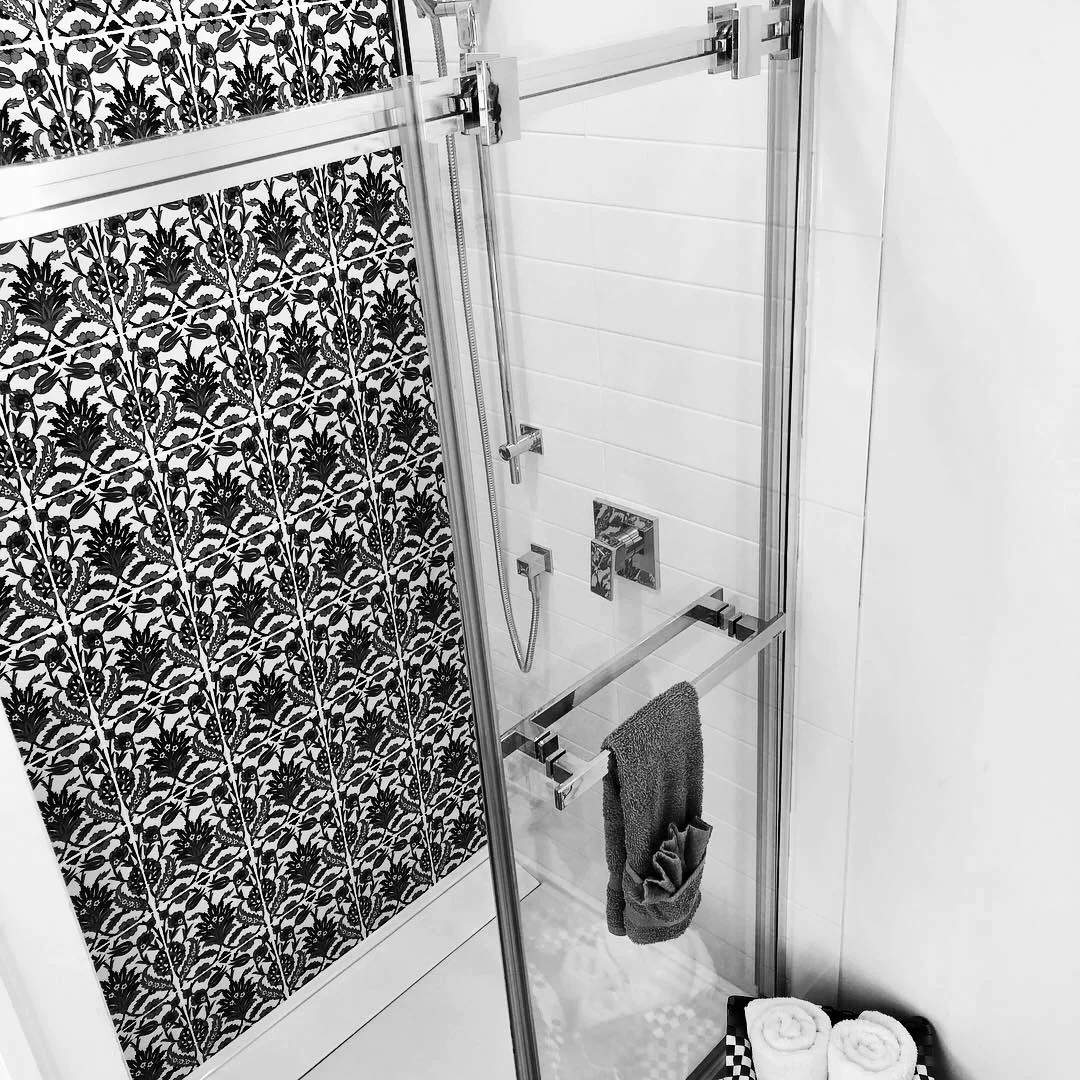
A custom 16’ x 22’ oceanfront tiny home designed and built by Samuel Rad, blending compact luxury with sustainable, high-performance construction. Features include heated polished concrete floors, full kitchen and bathroom, smart lighting and heating, projector TV, gas fireplace, loft queen bed, and queen sofa bed.
A 26’ greenhouse extends the living space for year-round growing and relaxation, while a private hot tub sits between the home and the ocean. The flat roof doubles as a full rooftop deck with ocean views—perfect for sunbathing and BBQs. Superior insulation and efficient design make this tiny house comfortable, durable, and incredibly functional despite its small footprint.
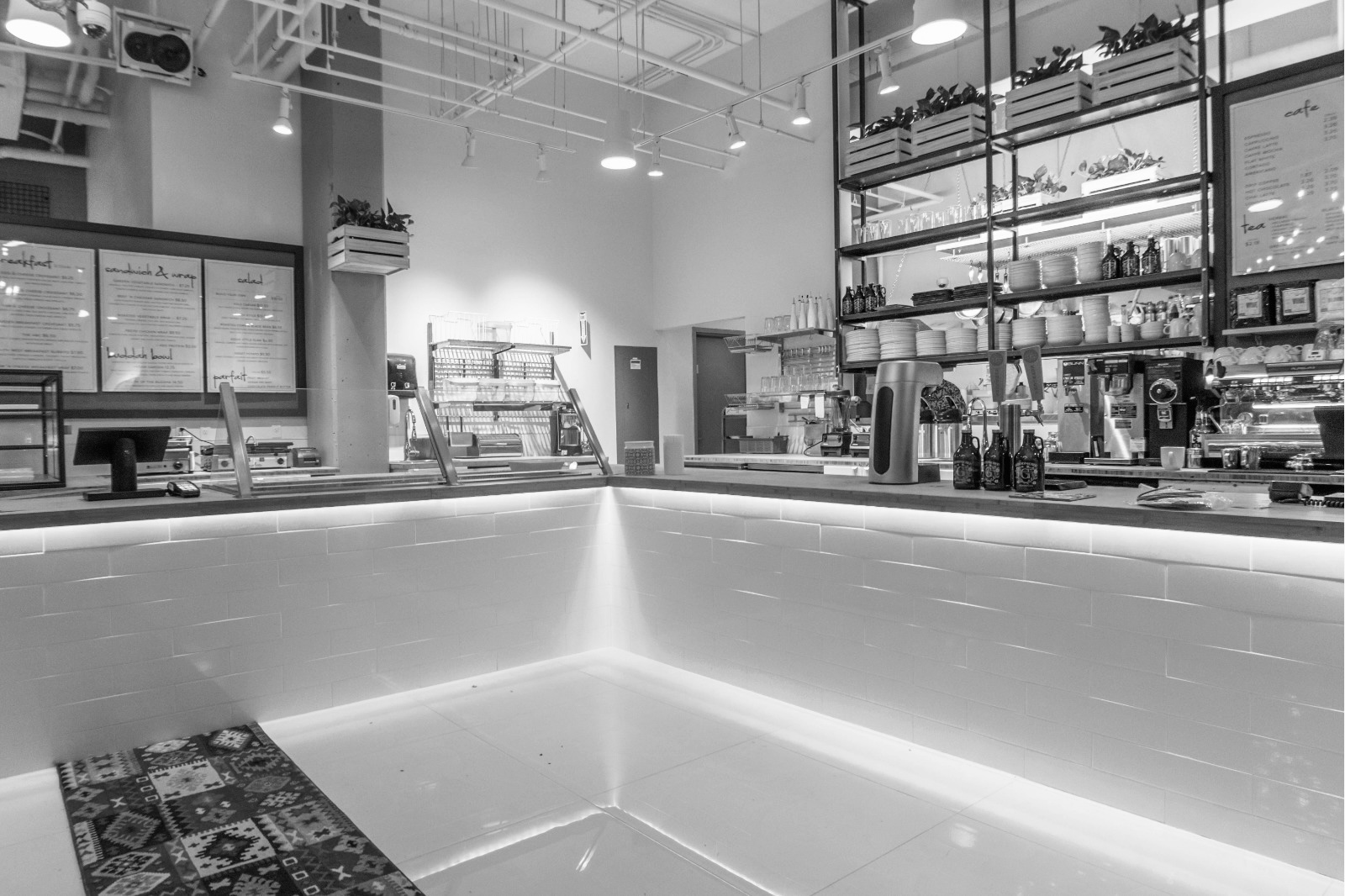
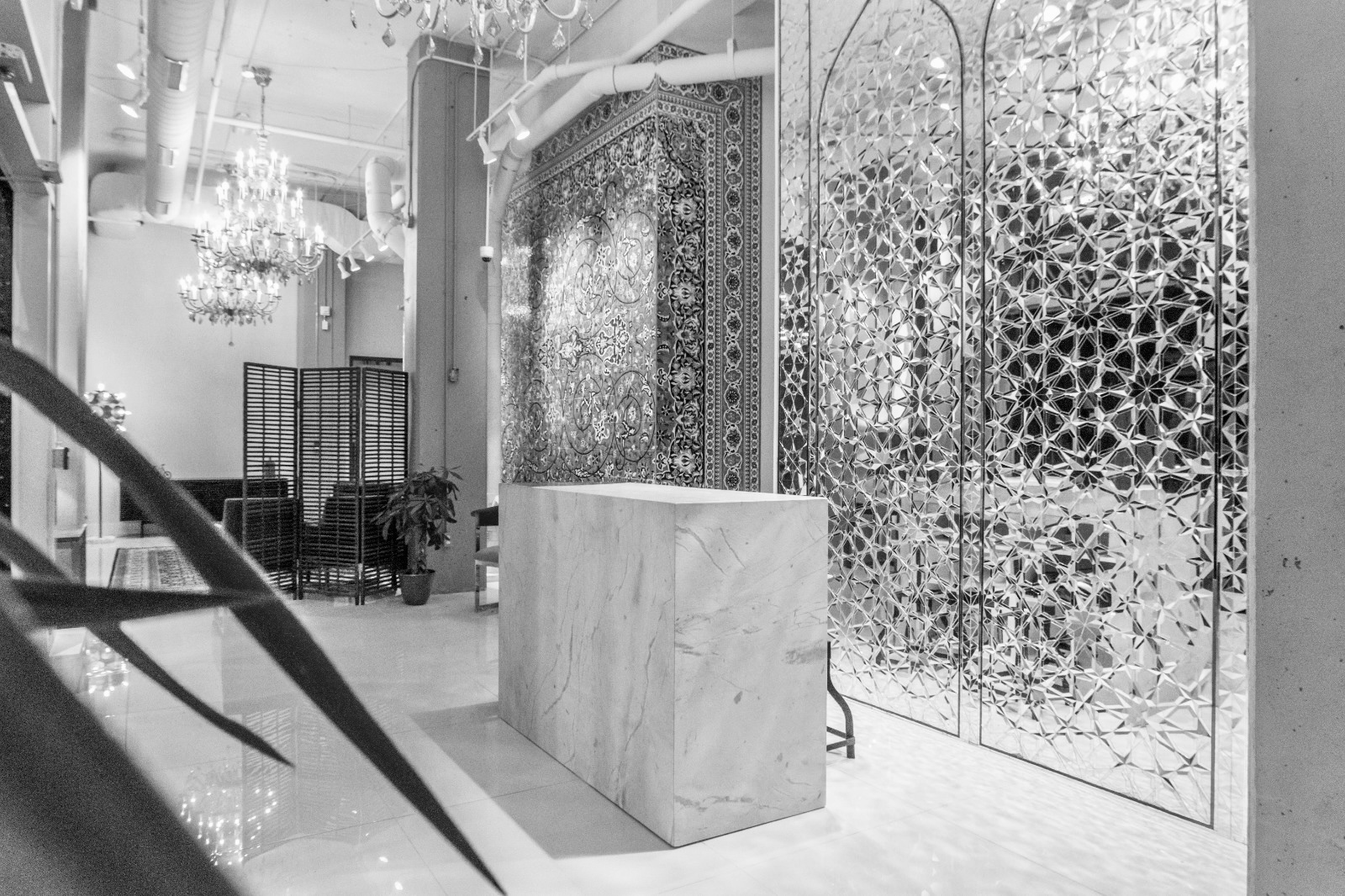

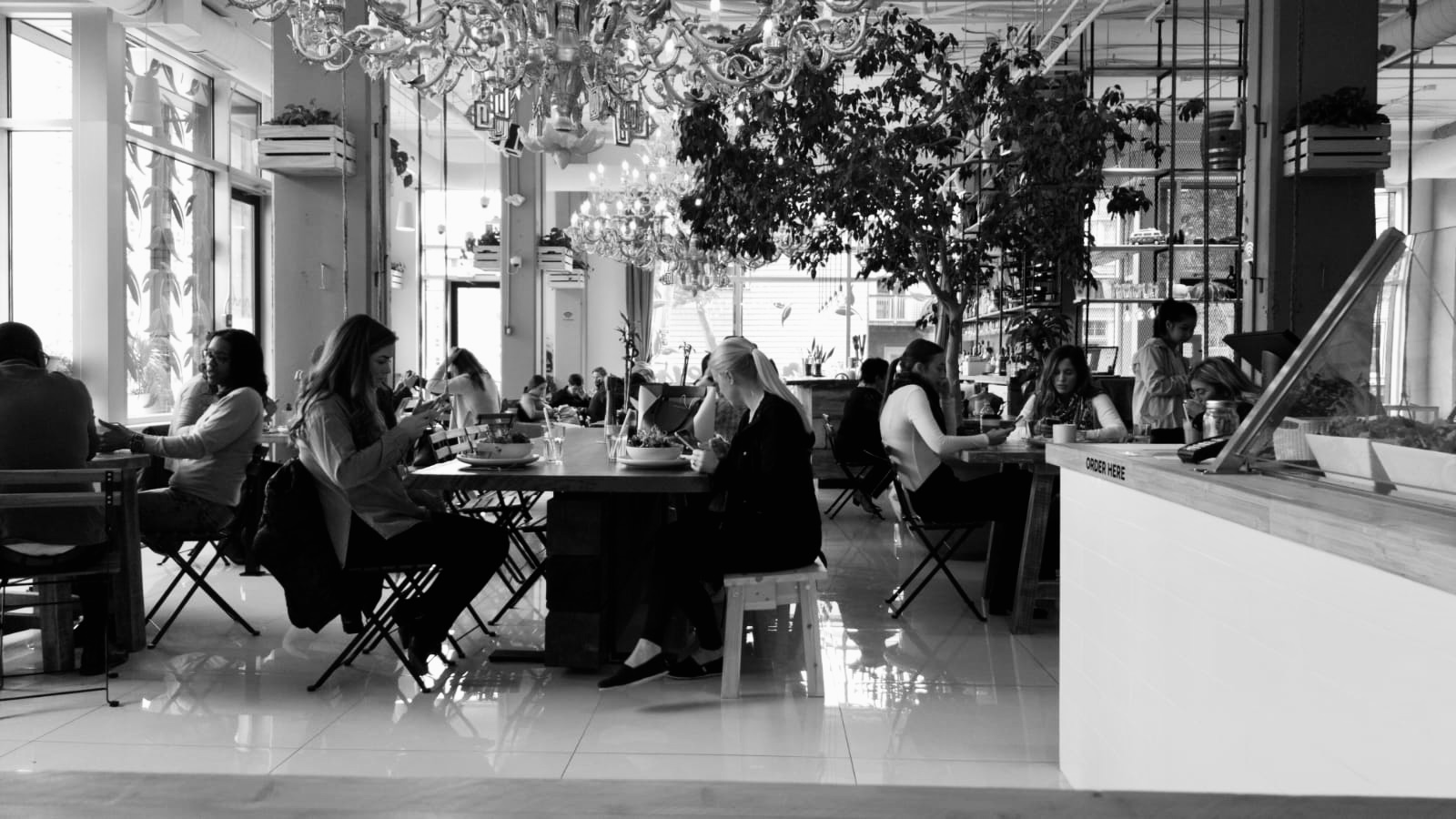
A bright, culturally expressive hospitality space with custom millwork, tilework, and artistic elements.
Interior Design & Hospitality Construction
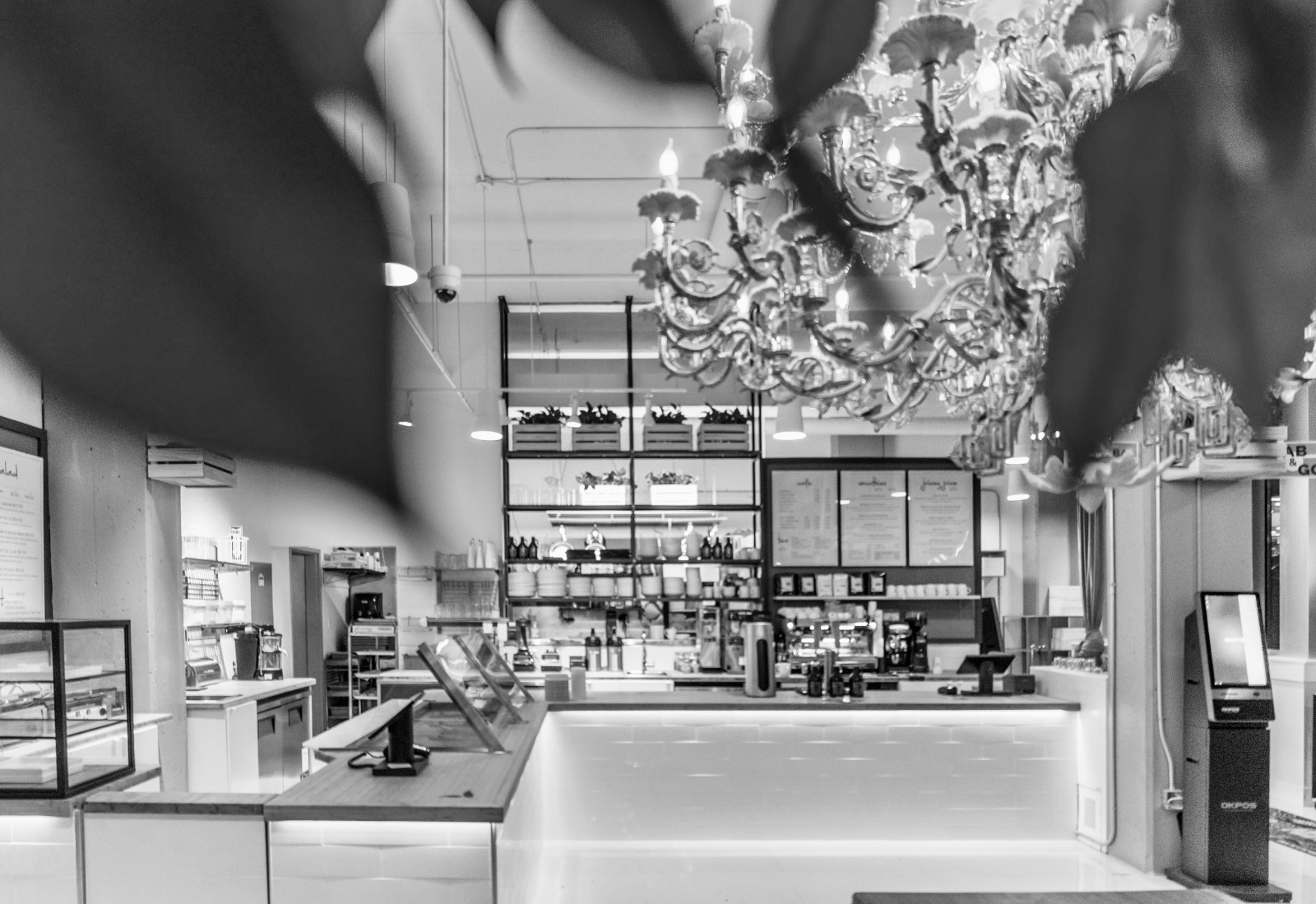
Designed and built by Samuel Rad, The Garden redefined Halifax’s hospitality scene at a time when most restaurants were dark, enclosed, and hidden below street level. In deliberate contrast, this project introduced a bright, ground-level dining space filled with natural light, openness, and life.
Drawing inspiration from Persian design and Mediterranean warmth, the interior combined white, wood, and gold tones with rich cultural detailing. Hundreds of real indoor plants and trees transformed the space into a living environment, blurring the boundary between indoors and outdoors and creating a calm, vibrant atmosphere rarely seen in the city at the time.
Handcrafted Turkish lighting, custom Persian tilework, and bespoke millwork were carefully integrated throughout, balancing ornament with restraint. Every material choice and spatial decision was made to enhance light, movement, and human connection—going intentionally against prevailing restaurant design trends in Halifax.
The result was a culturally expressive, welcoming hospitality space that felt fresh, alive, and timeless—setting a new benchmark for restaurant design in the region.
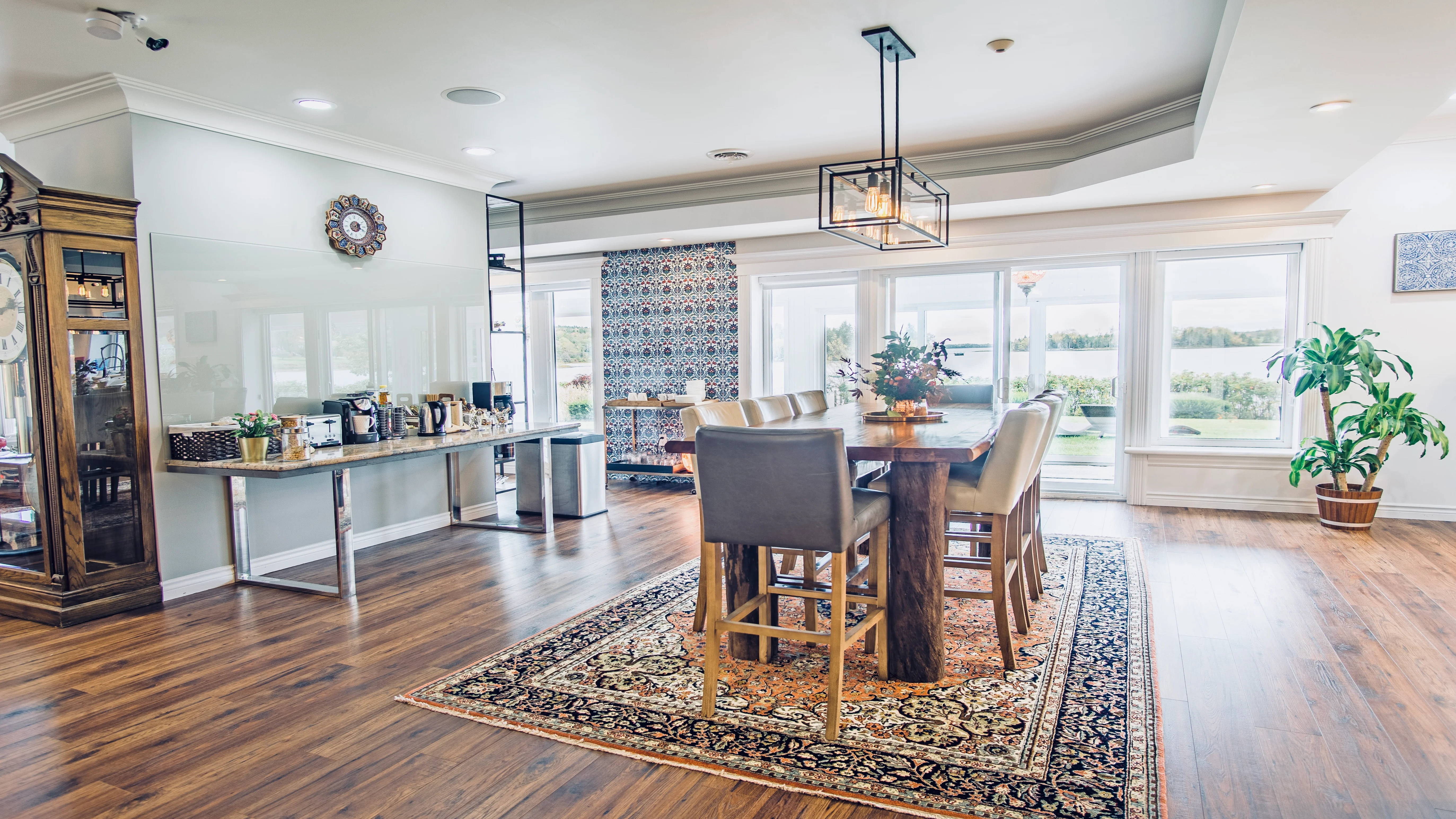

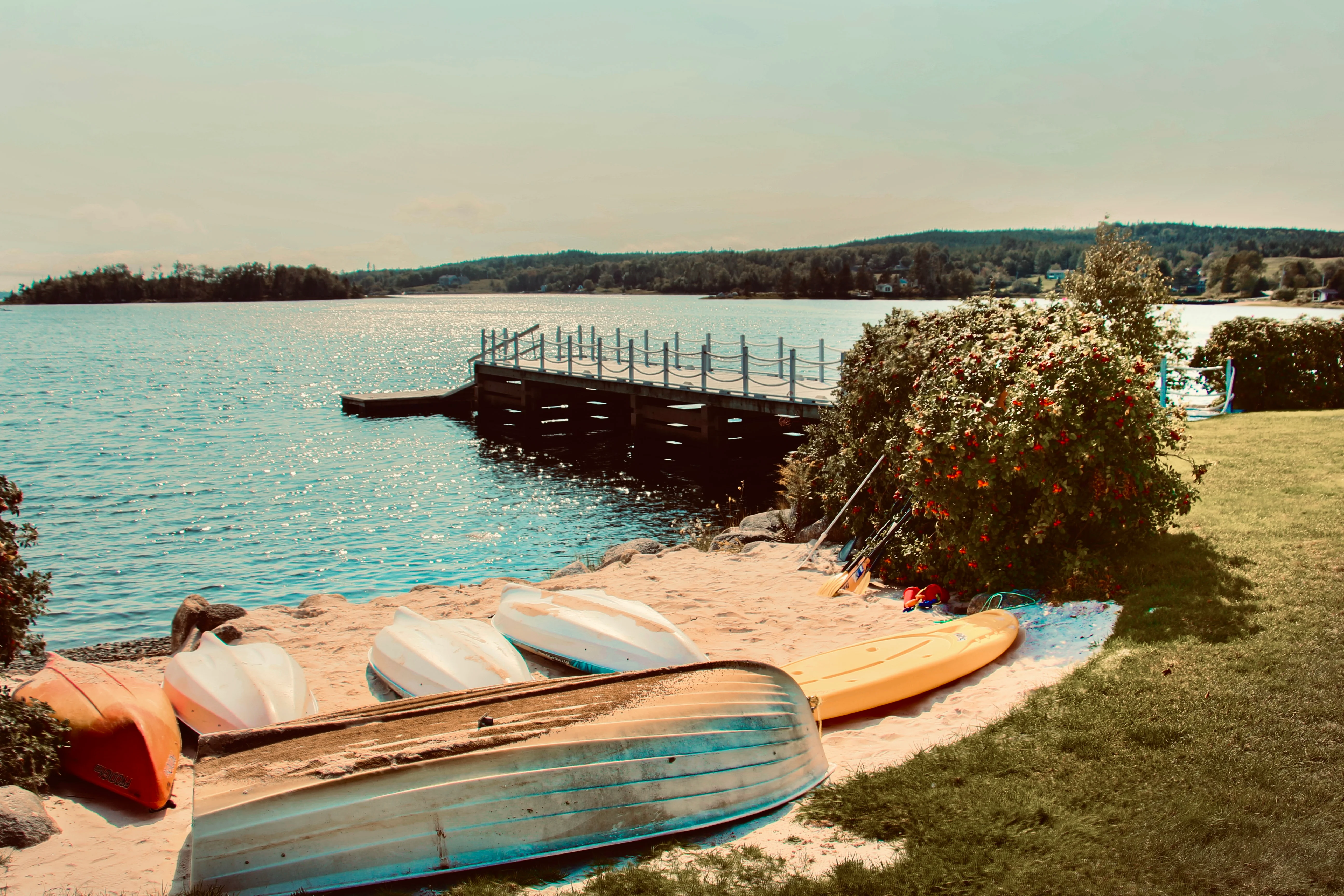
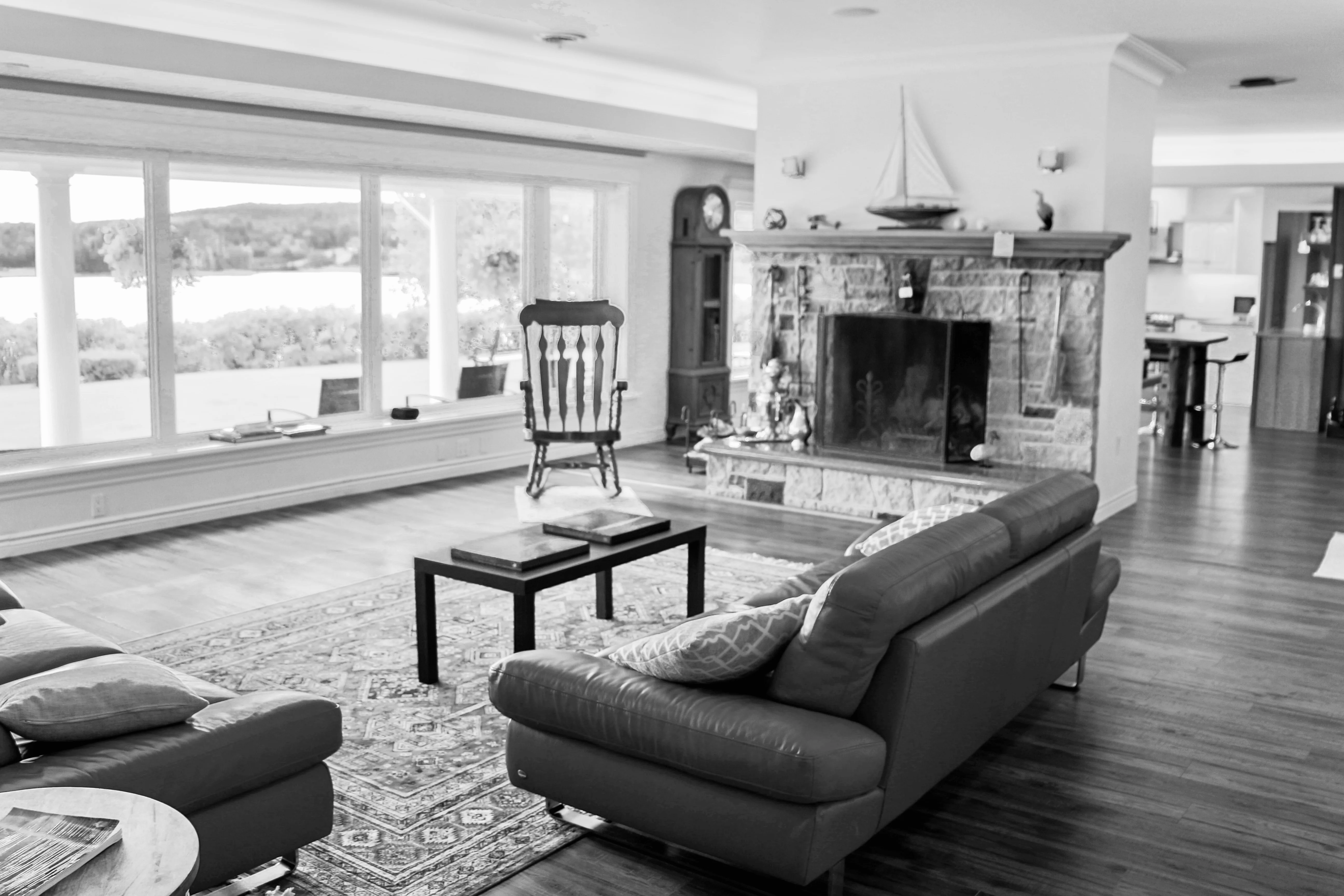
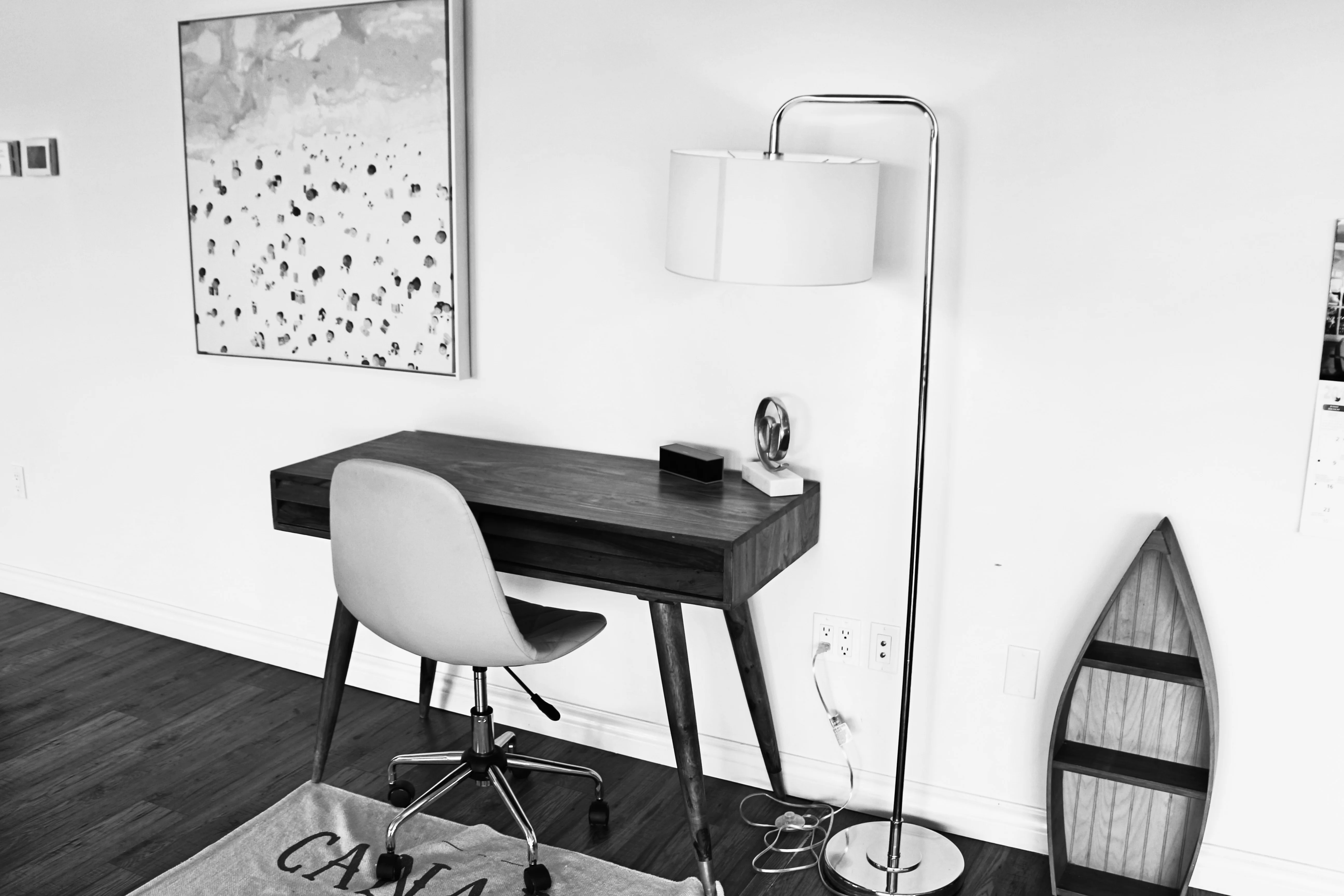
A full luxury resort design incorporating villas, spa, waterfront amenities, and landscaping.
Designed and built by Samuel Rad, this oceanside resort renovation focused on elevating guest experience through thoughtful design, durable materials, and efficient construction—all while operating within an active hospitality environment.
The project balanced modern coastal aesthetics with long-term performance, upgrading interiors, common areas, and building systems to withstand harsh marine conditions while maintaining a relaxed, resort-forward atmosphere. Careful attention was given to materials, detailing, and layout to reduce maintenance demands while enhancing comfort, flow, and visual calm.
The result is a refreshed, timeless resort environment that feels effortless and inviting—proof that well-executed design-build can dramatically improve hospitality spaces without unnecessary complexity or excess.
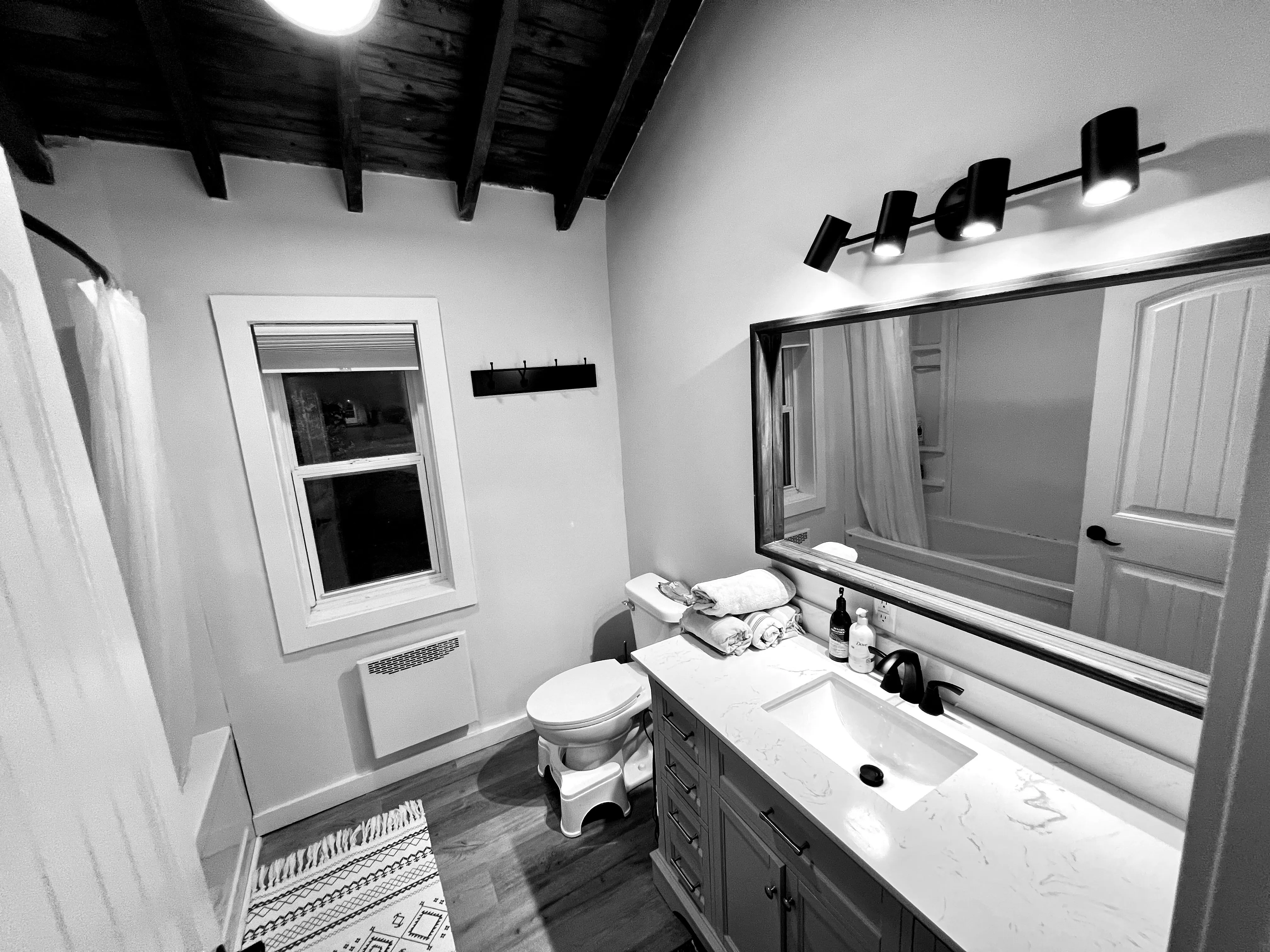
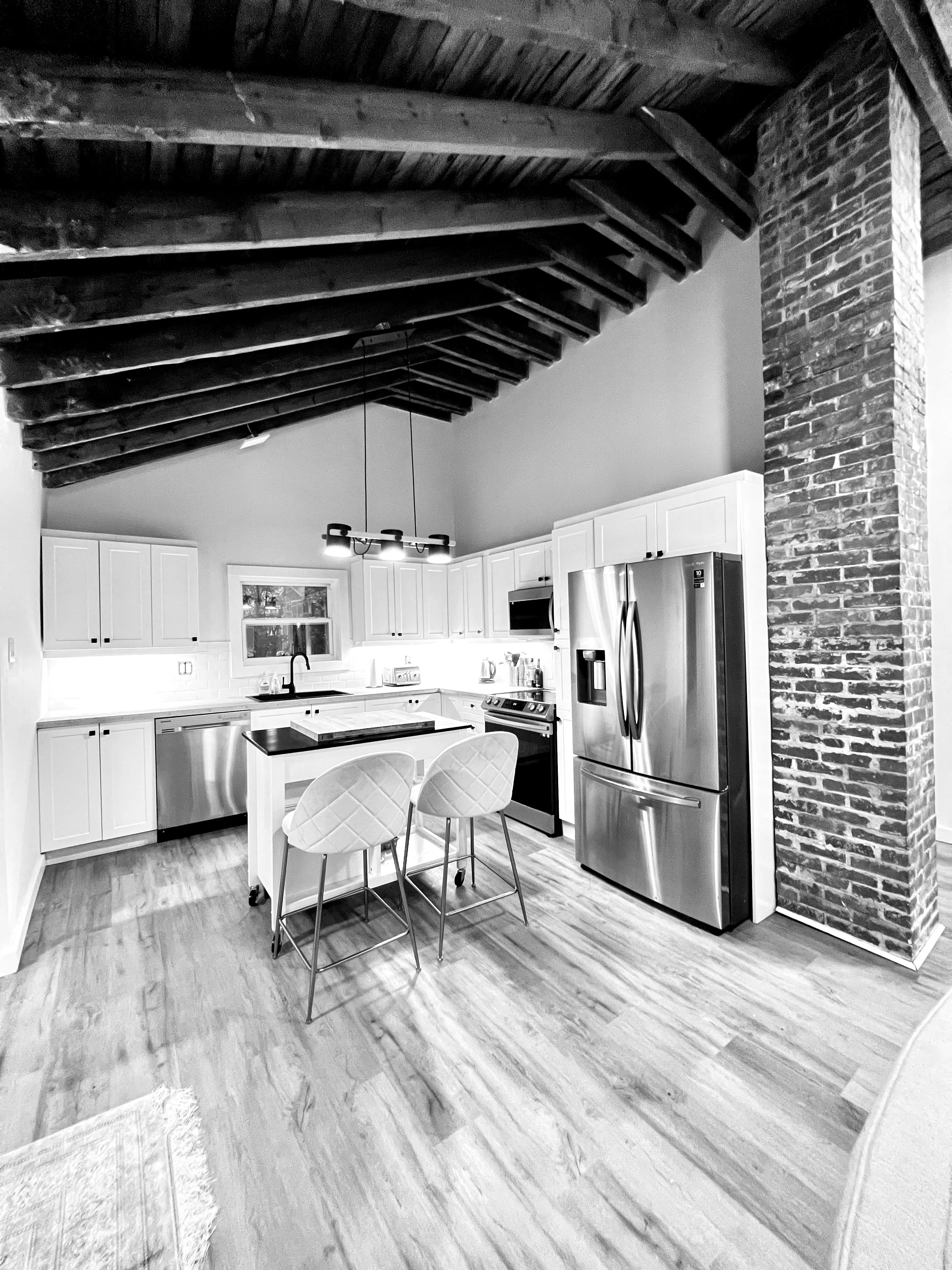
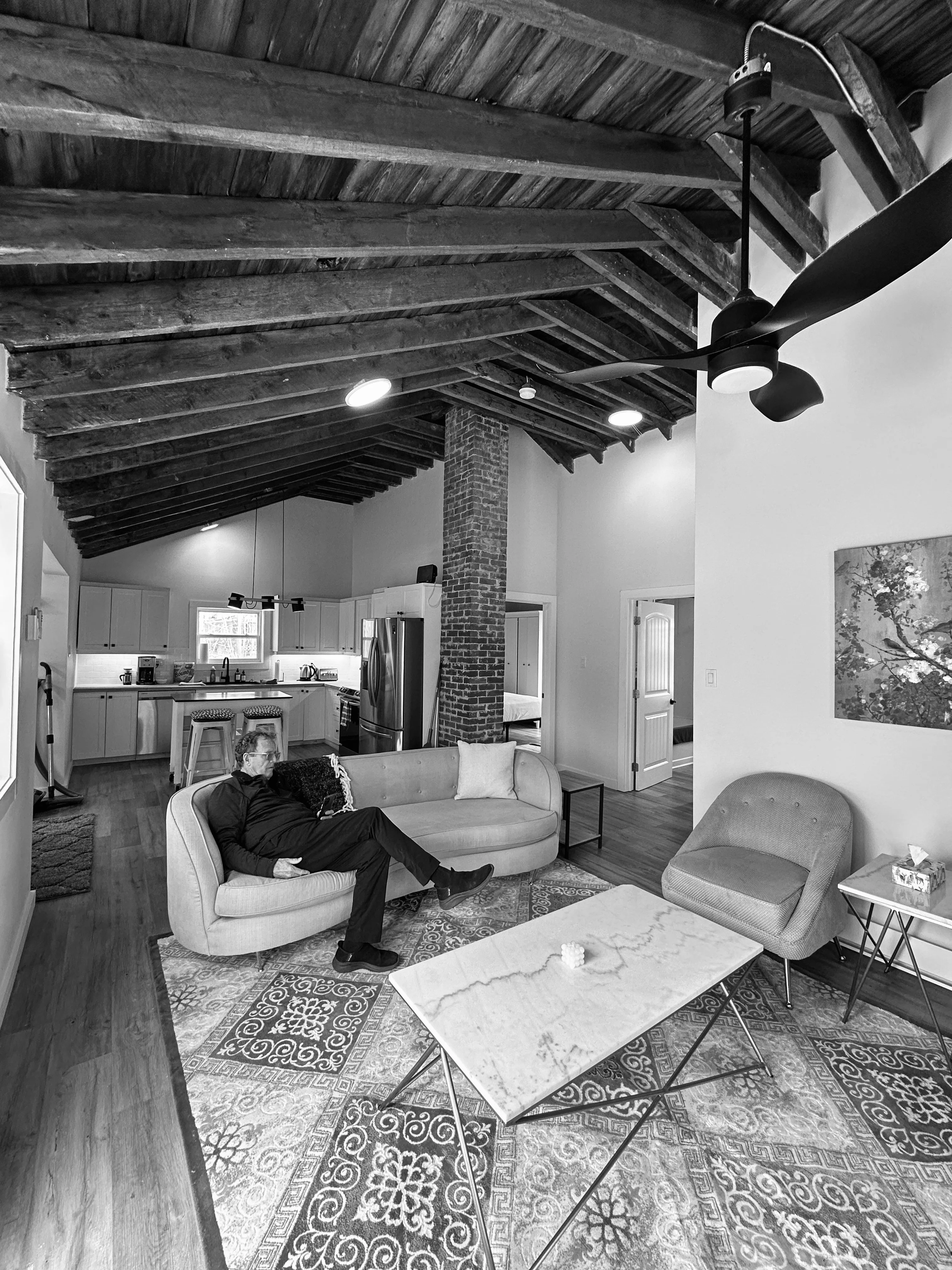
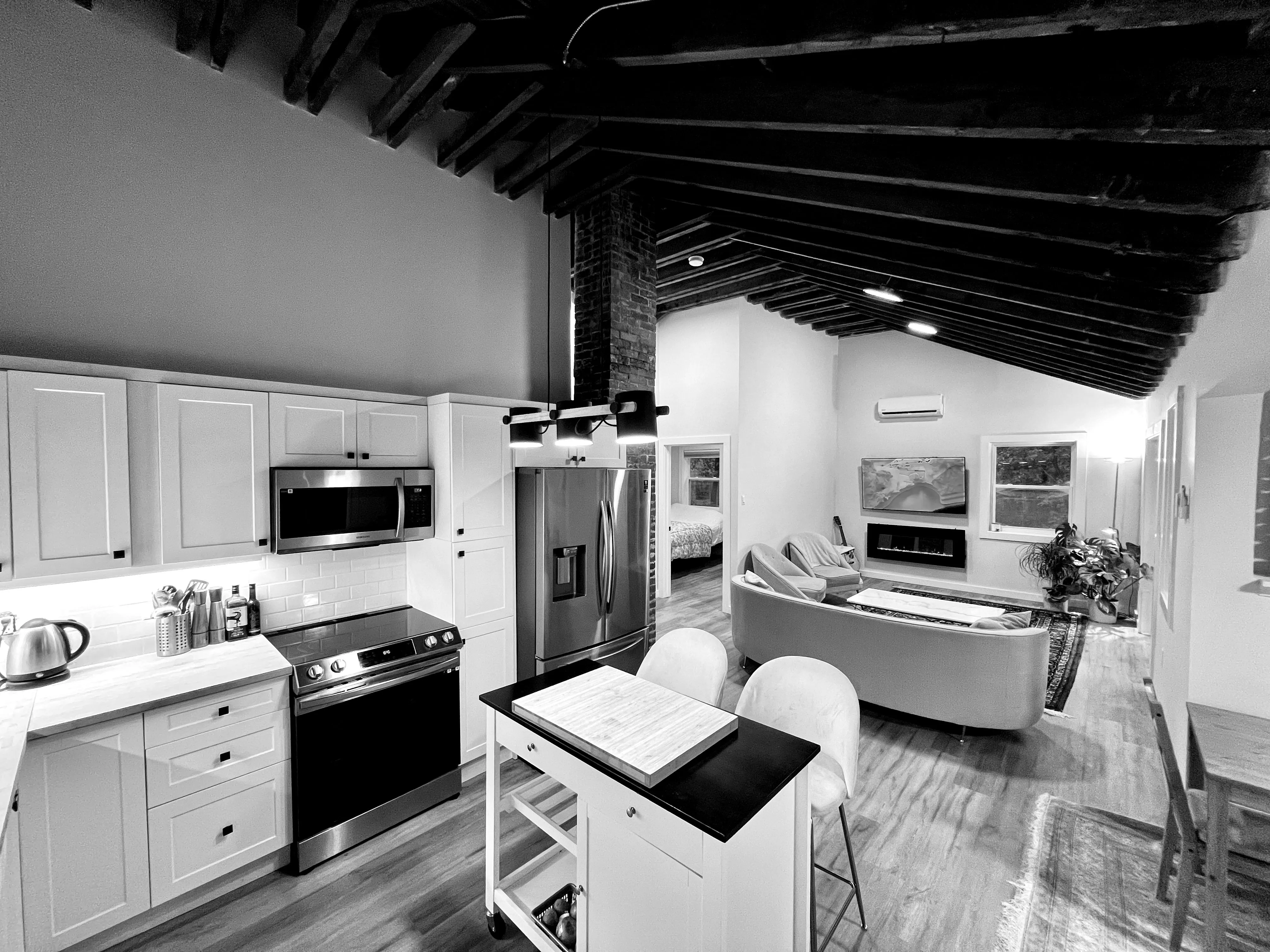
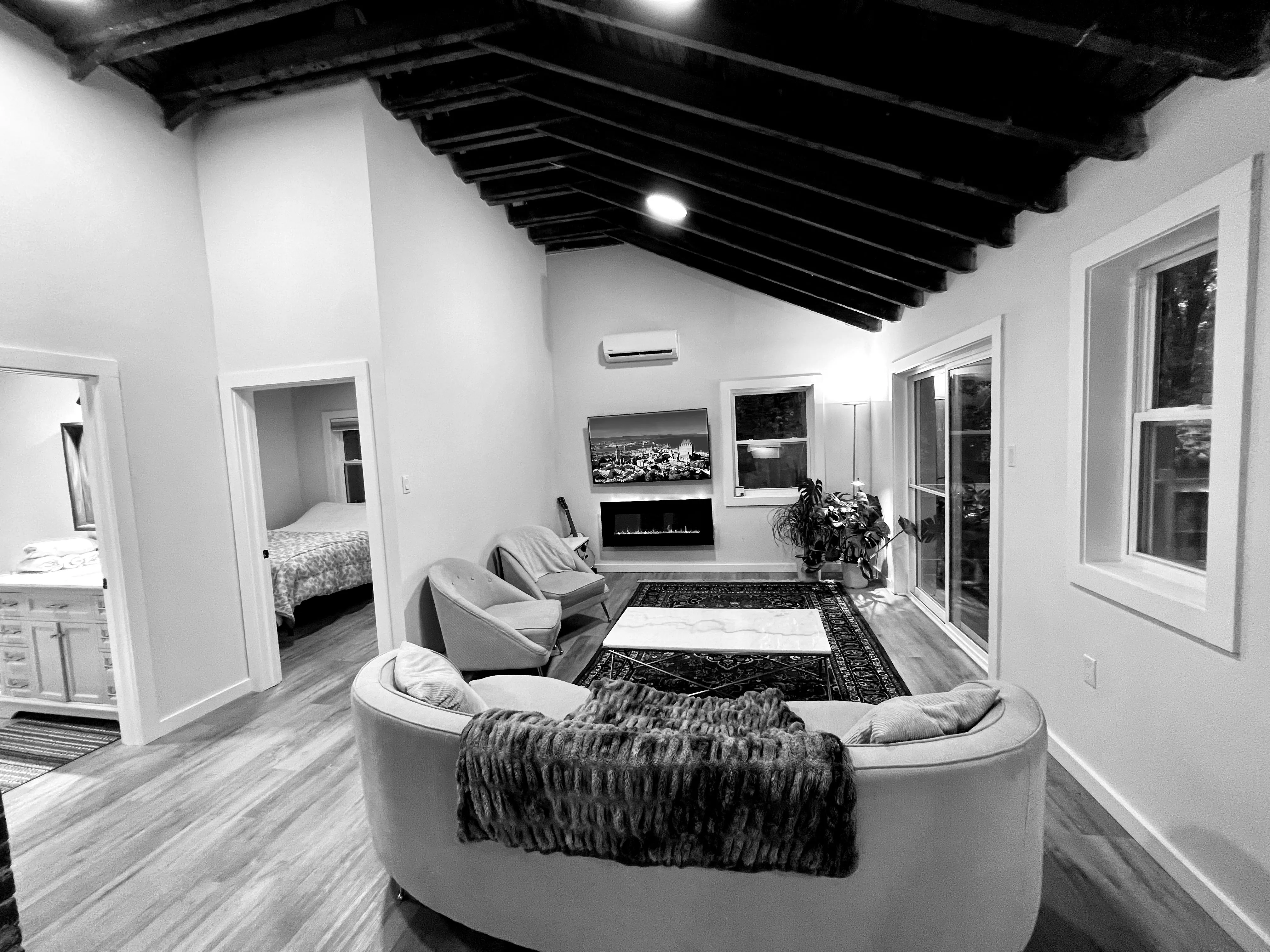
A strategic renovation maximizing ceiling height and volume through structural exposure.
Designed and built by Samuel Rad, this minimalist renovation transformed a 100-year-old home on a very limited budget. The original layout was dark and fragmented, with low 7-foot ceilings, multiple walls, and entirely original finishes.
All interior walls and ceilings were removed, the roof structure was reworked, and the ceiling height was raised to a dramatic 22-foot peak. The roof was insulated from the exterior and finished with a new metal roof, while new flooring, kitchen, and bathroom were installed. The entire renovation was completed in just two months.
By exposing the original weathered rafters and preserving the home’s character, the project increased the perceived volume of the space by nearly 2.5×—without expanding the footprint. The result is a light-filled, open, and highly efficient home that feels like a full addition at a fraction of the cost.